How to Look Younger: Photo Tips, Facial Cues, and Safe Habits
A practical, evidence-aware guide to the visual cues that shape apparent age, immediate photo improvements, and realistic everyday habits.

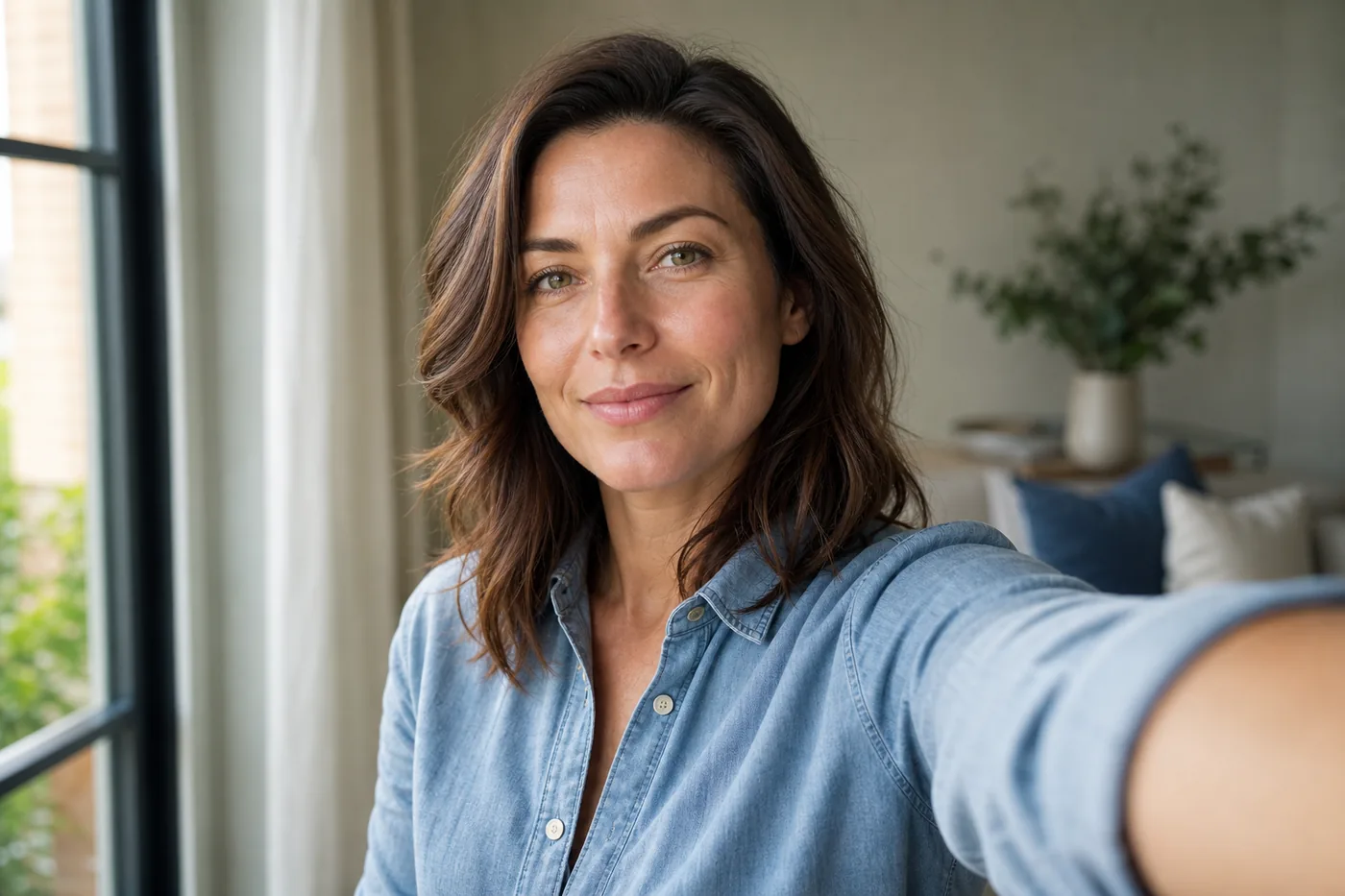
If you are searching for how to look younger, separate two goals. One is improving how you appear in a photo today; the other is supporting your skin and general wellbeing over time. Photos respond quickly to light, distance, expression, styling, and image quality. Long-term appearance changes slowly and varies with genetics, environment, and health. This guide focuses on realistic, low-risk steps and treats an AI age estimate as a comparison tool—not a verdict about health, attractiveness, or personal value.
For the historical and cultural explanation behind the trend, read why people look younger now than in old photos.
What Makes Someone Look Young? High-Signal Facial Cues
People and age-estimation systems combine many signals rather than reading age from one feature. The overall pattern usually matters most.
Even, softly lit skin
Soft light reduces deep shadows and harsh contrast without pretending natural texture has disappeared.
Open, rested eye area
A relaxed brow, catchlights, and less under-eye shadow can make the face look fresher.
Relaxed expression
Squinting, jaw tension, or a forced smile can deepen temporary lines and change the impression.
Balanced proportions
Very close wide-angle selfies enlarge the center of the face. More distance produces a more natural portrait.
Comfortable skin surface
Dryness can emphasize texture. Gentle care supports comfort, while persistent irritation deserves qualified advice.
Balanced styling contrast
Hair, glasses, clothing colors, and neckline can brighten or shadow the face; there is no universal youth color.
How to Look Younger in Photos Without a Beauty Filter
Use the same setup for several shots and change one variable at a time. This reveals what helps instead of rewarding one random flattering frame.
| Variable | Try this | Why it helps |
|---|---|---|
| Light | Face a bright window at a slight angle | Softens deep shadows while keeping natural texture |
| Distance | Move the phone farther away and crop later | Reduces close wide-angle distortion |
| Height | Keep the lens near eye level | Avoids exaggerated lower-face or forehead proportions |
| Expression | Relax brow, jaw, and shoulders | Reduces temporary tension lines |
| Lens | Clean it and avoid digital zoom | Improves clarity without artificial smoothing |
| Comparison | Take three to five similar frames | Prevents one odd moment from becoming the verdict |
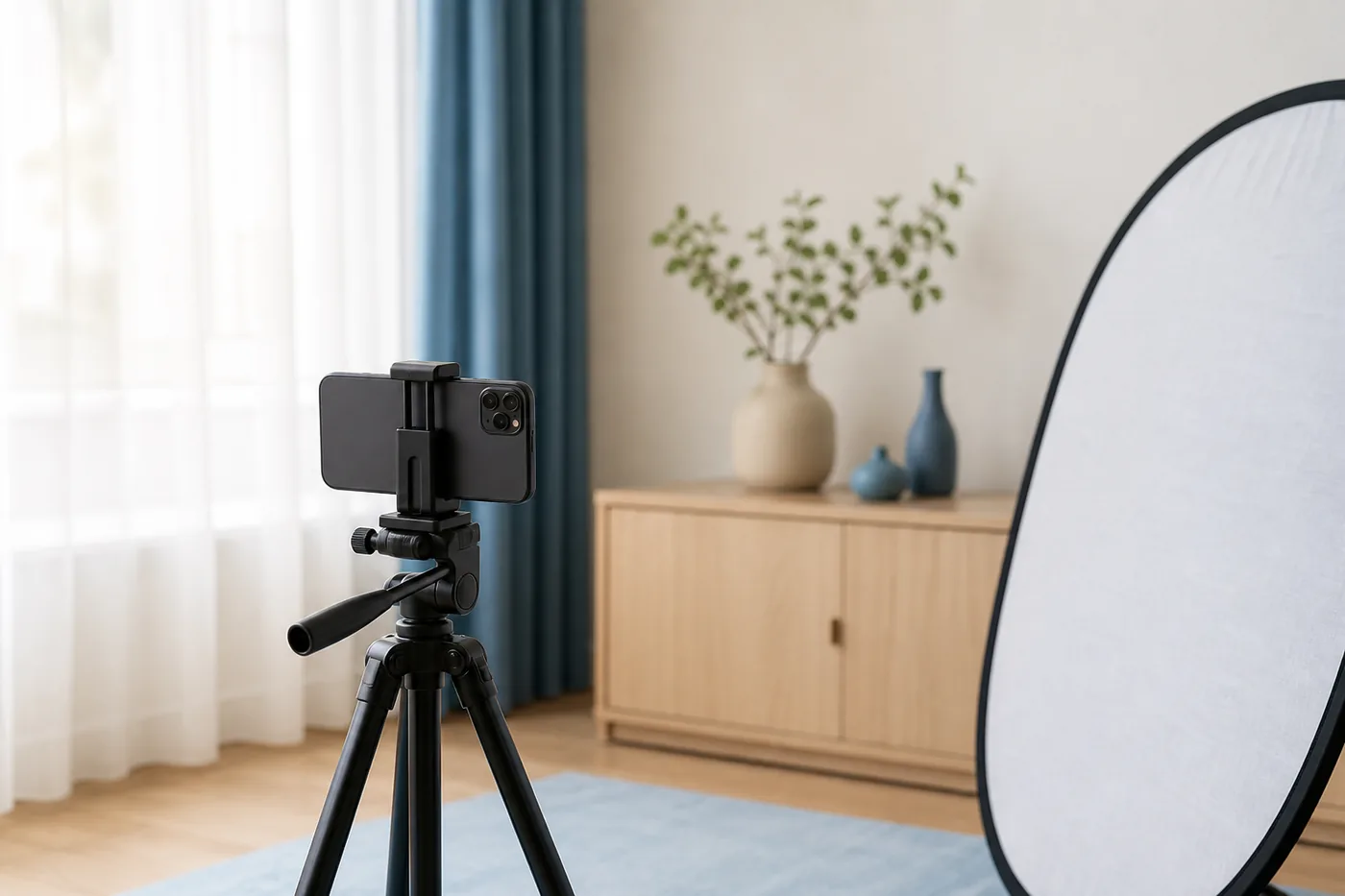
Run a controlled comparison
Take one harsh close selfie and one softly lit eye-level portrait, then compare the result with our photo age guesser.
How to Make Your Face Look Younger With Low-Risk Daily Habits
No routine guarantees a younger-looking face, and this page is not medical advice. These habits support skin comfort and reduce avoidable stressors without promising to reverse age.
- Protect skin from excessive sun — Use shade, clothing, and broad-spectrum sunscreen that suits your skin and local guidance. Consistency matters more than dramatic anti-aging claims.
- Keep sleep and wake times reasonably steady — A difficult night can temporarily increase puffiness, dullness, or under-eye shadow.
- Cleanse gently and moisturize if needed — Avoid routines that sting, burn, or strip the skin. Persistent concerns deserve professional advice.
- Avoid smoking and repeated smoke exposure — Smoking is linked with premature skin aging and wider health harms; evidence-based cessation support is worthwhile.
- Check the environment before blaming your face — Dry air, travel, allergies, stress, and overhead lighting can all change one day's appearance.
What Not to Do When Trying to Look Younger
The fastest mistakes usually create misleading comparisons or unnecessary irritation.
- Do not judge your face from one close, low-angle front-camera image.
- Do not stack strong skin products because an app gave an older estimate.
- Do not use smoothing filters when comparing changes.
- Do not assume an AI age number measures health, attractiveness, or biological age.
- Do not compare your indoor selfie with someone else's studio-lit social photo.
If your main concern is why certain photos make you look older, read the companion guide why do I look older than my age.
Use an AI Age Estimate as a Consistent Test, Not a Score
Keep the person, camera, crop, expression, and time of day as consistent as possible. Compare several images and look for a stable direction. A small difference is often noise; a large repeated shift after changing distance or light says more about the image setup than actual aging.
Facial-age systems infer apparent age from visible pixels and can be affected by image quality, skin tone, accessories, makeup, facial hair, and training data. Review the limits in our facial age estimation guide.
When a Sudden Change Deserves Professional Advice
Looking different after poor sleep, travel, stress, or unflattering light is common. Seek medical advice for sudden or persistent changes with swelling, rash, pain, weakness, breathing difficulty, vision changes, or other symptoms. Do not use an age app for diagnosis.
For ongoing irritation, pigmentation concerns, or treatment questions, a licensed dermatologist can consider your skin type, medicines, health history, and local conditions.
Bottom Line
The practical answer to how to look younger is not one trick. Start with soft light, more camera distance, eye-level framing, a relaxed expression, and clean image quality. Keep daily care gentle, protect skin from excessive sun, and avoid filters when testing changes. Apparent age is a flexible visual impression—not a fixed measure of health, beauty, or value.
Frequently Asked Questions
Evidence and Further Reading
- Practical measures that can reduce premature skin aging: American Academy of Dermatology
- General guidance on skin care and aging: National Institute on Aging
- Research context on perceived age as an aging-related signal: Perceived-age research (PMC)